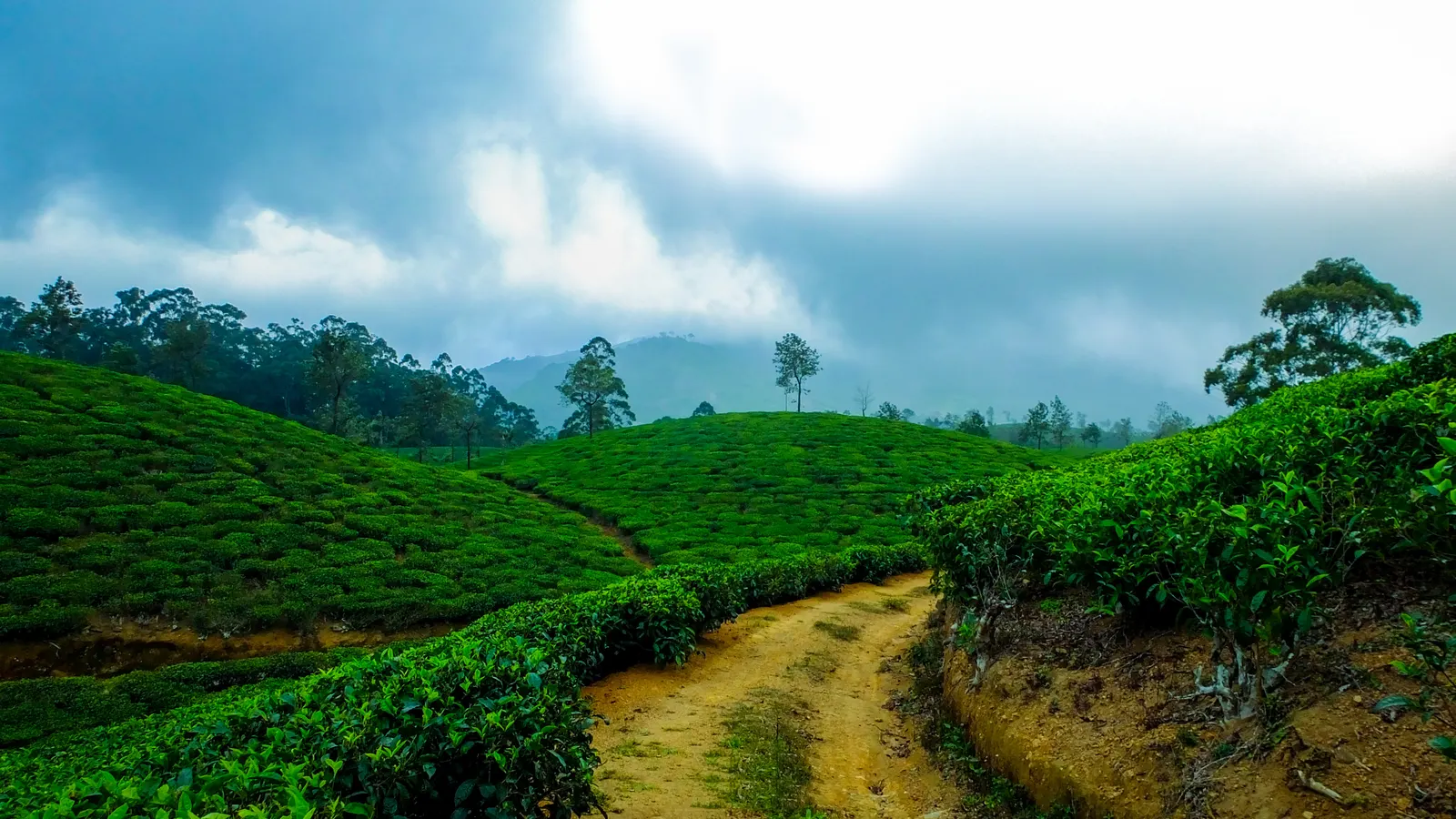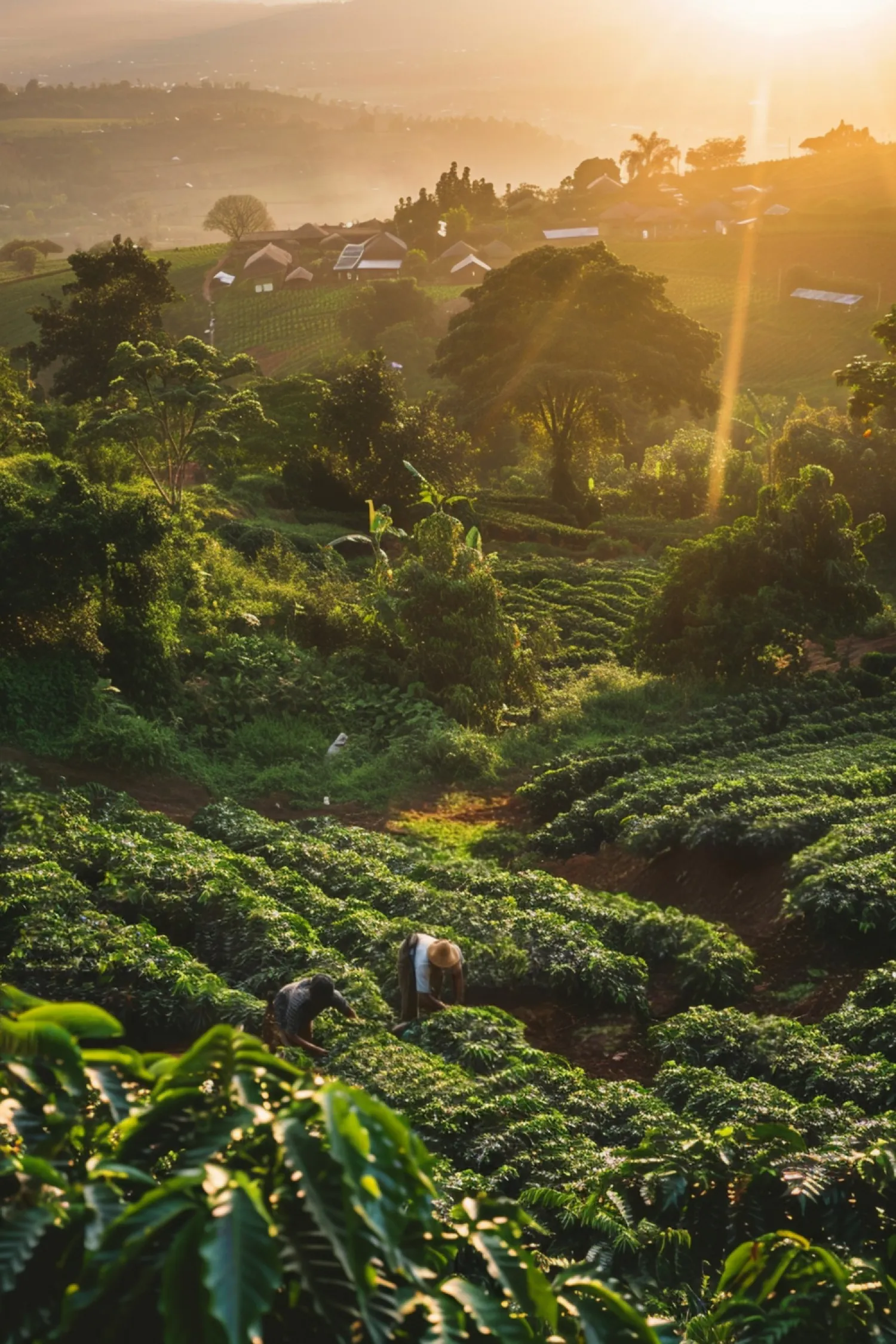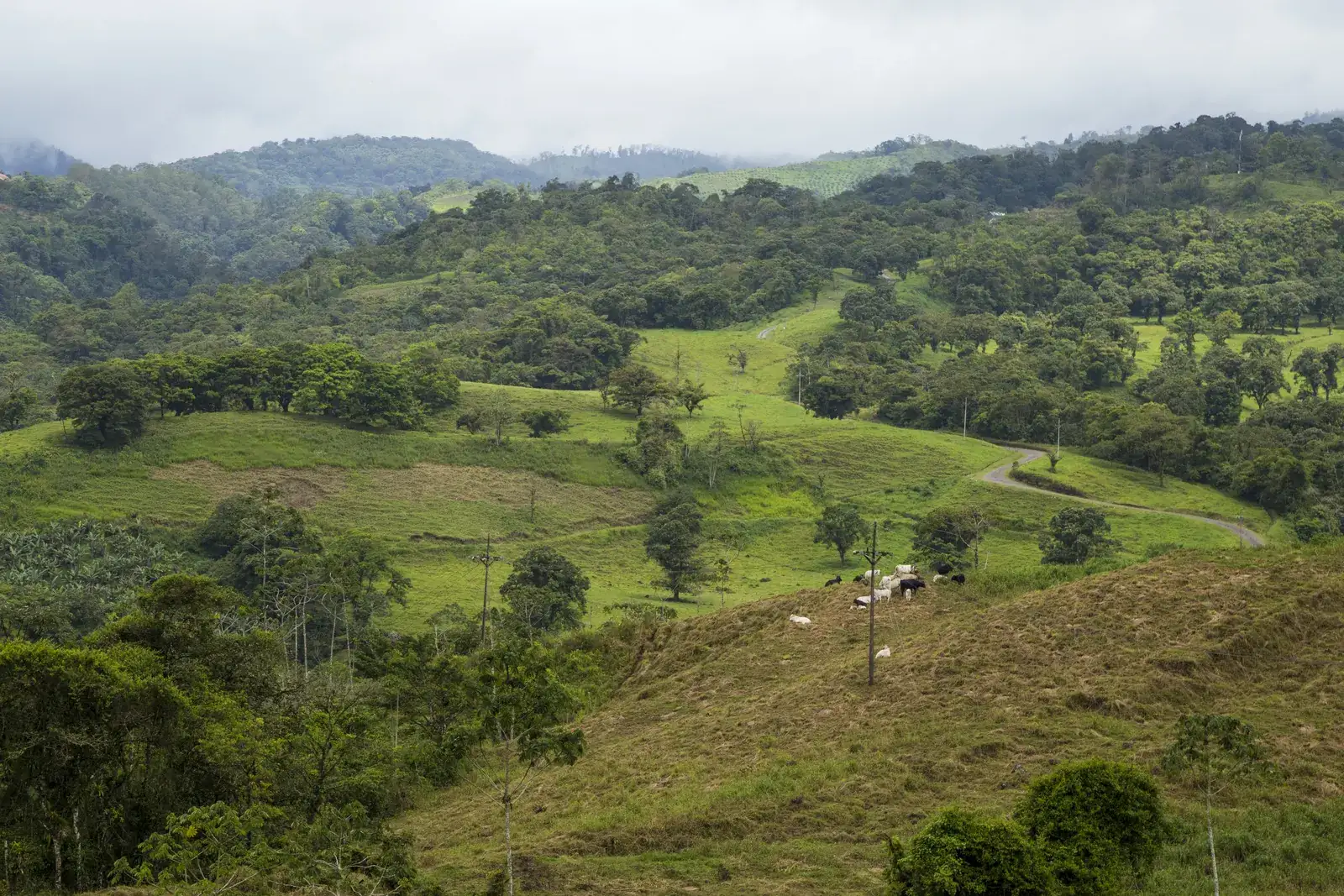
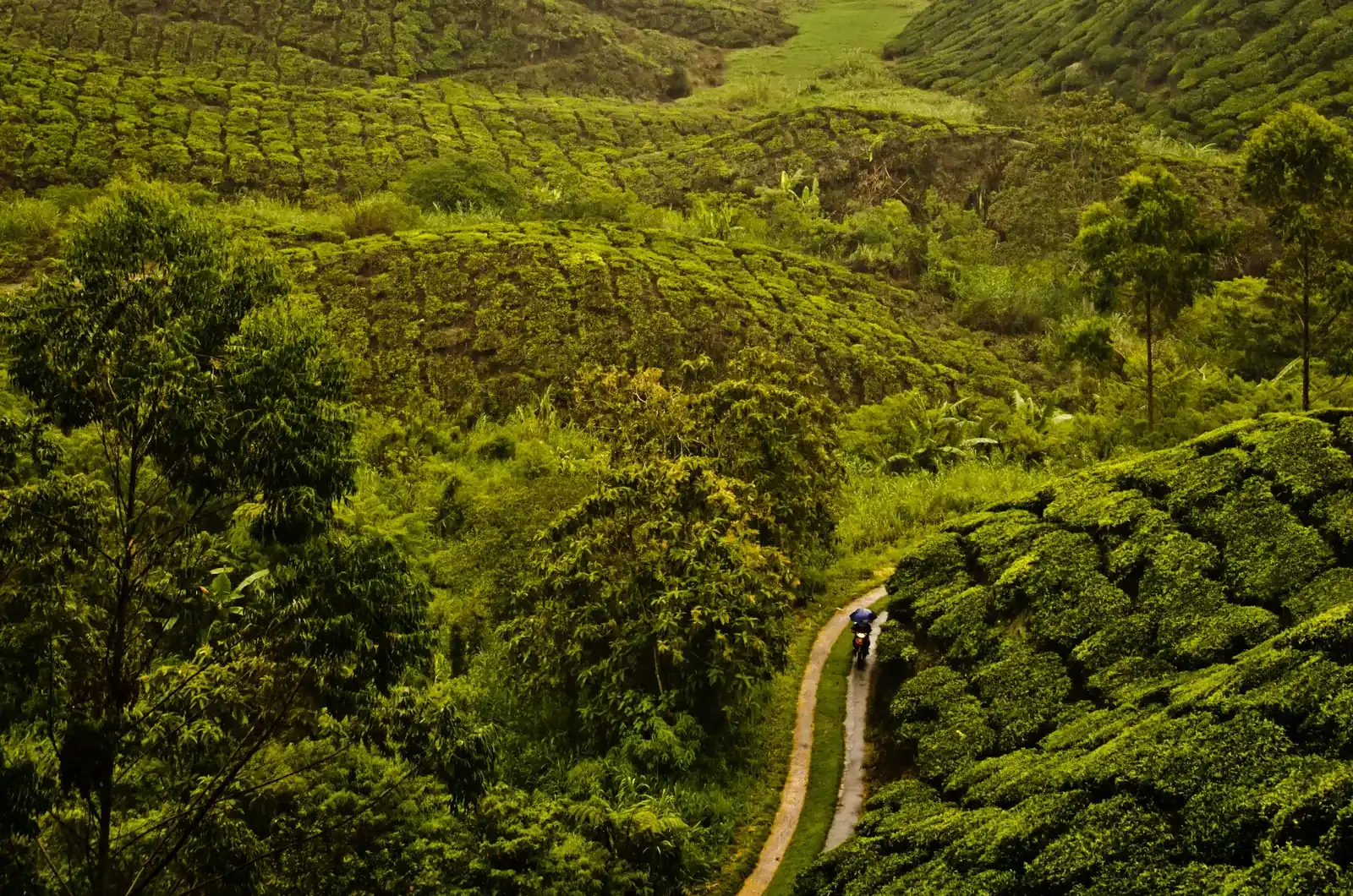
Path through a plantation on forested hills
Operating since 2009. 25+ projects completed and 1,000+ customers, as at September 2026.

Coffee Estates

The coffee on a Western Ghats estate grows under a shade canopy, black pepper climbing its trees; most buyers check neither canopy nor title. Vibez Estates offers plots titled in your name on a Sakleshpur coffee estate we run; walk it before you decide.

Stay a night and look at the trees

What is an operated coffee estate, and where are Vibez's?

An operated coffee estate is a working coffee plantation split into plots, each titled in its buyer's name, where one operator plants, picks and sells the crop. Vibez Estates has completed one in Sakleshpur, Hassan district, the 35-acre Vibez Coffee Estate, and has Vibez Kaira and Vibez Manor ongoing there. Chikmagalur is coming soon.

Some sellers call this a managed coffee estate. Among coffee estates in Karnataka, an operated estate is neither a parcel you farm yourself nor a holiday stay.

Your title

Freehold, with the title in your name, registered directly.

Our work

We handle planting, harvest and sale, under a separate maintenance agreement.

Walk it first

Visit the estate of your choice with our on-site team.

What makes that land worth owning is what grows on it, and who does the work.

What grows on a Western Ghats coffee estate, who works it, and when?

A Western Ghats coffee estate grows coffee under a two-tier shade canopy of trees, with black pepper vines trained up those trees, so one hillside carries two crops and the trees that shelter them.

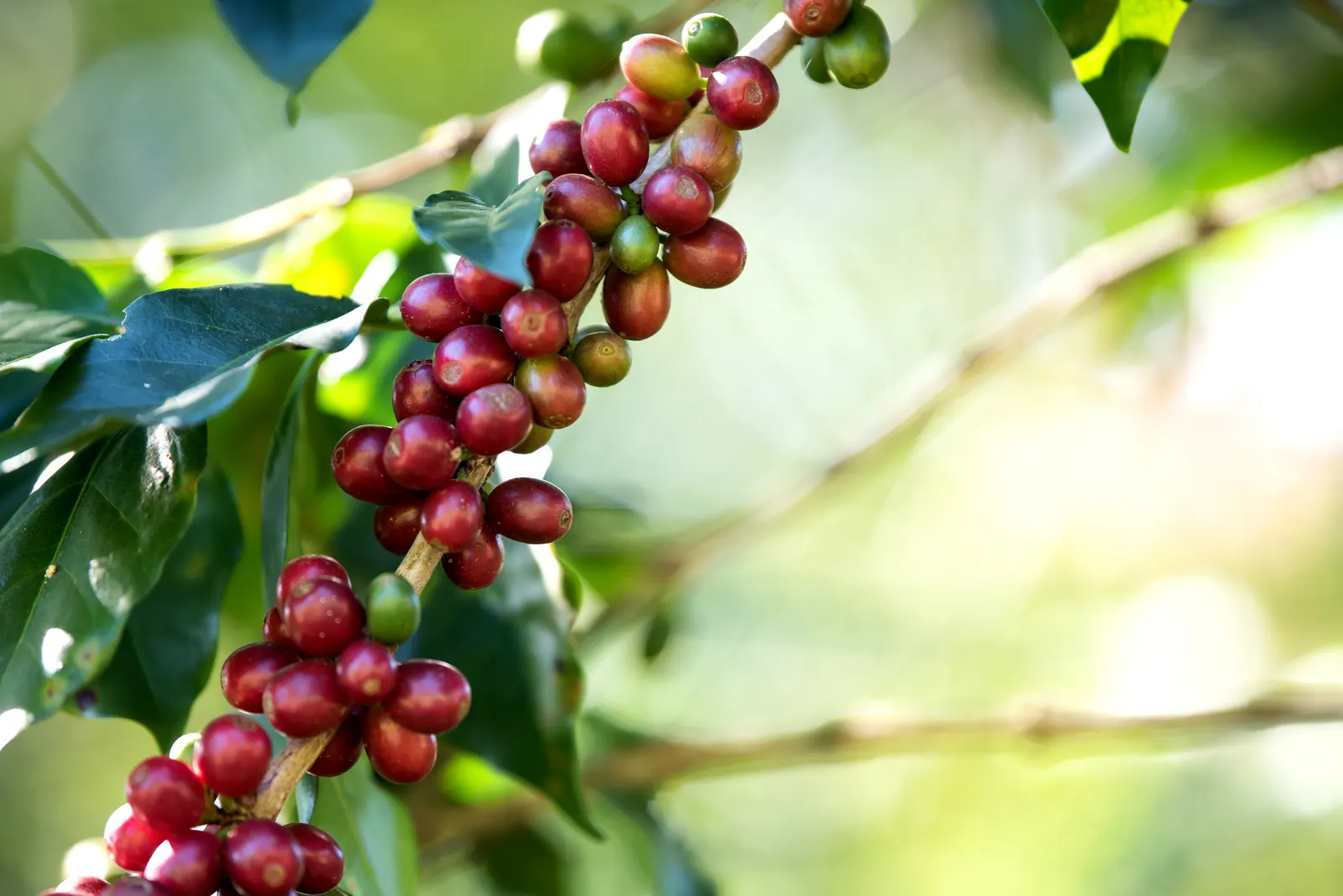
Ripe Arabica coffee cherries on the branch

Arabica, grown high

Arabica coffee is grown at 1,000 to 1,500 metres, at 15 to 25 °C, with 1,600 to 2,500 mm of rain a year; Robusta sits lower, at 500 to 1,000 metres, 20 to 30 °C and 1,000 to 2,000 mm. By the Coffee Board of India's figures, the Manjarabad coffee region around Sakleshpur lies at 900 to 1,100 metres, with 1,000 to 2,500 mm of rain.
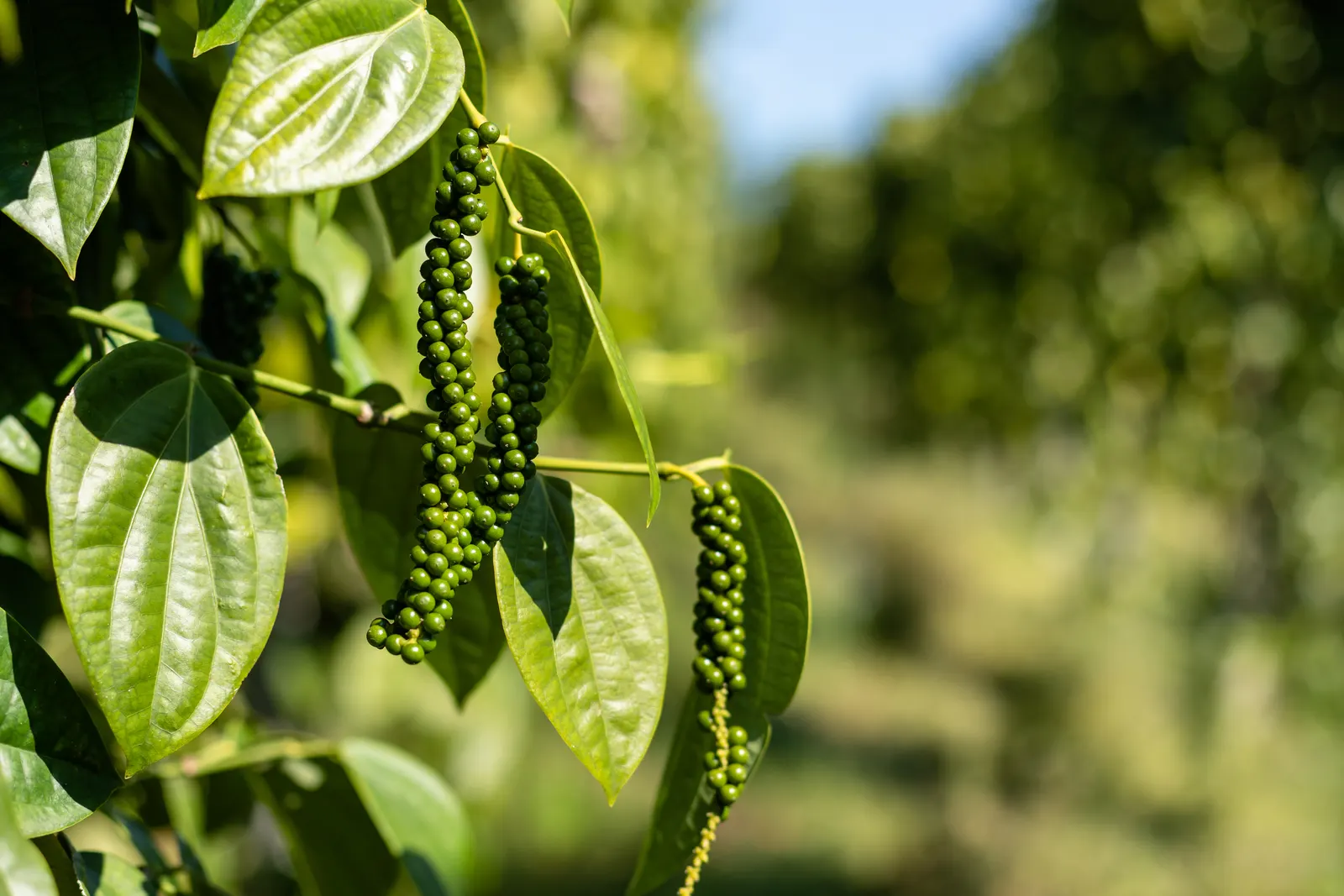
Black pepper spikes on a vine trained up a standard

Pepper, on the trees

Black pepper is trained up living trees, called standards, so a coffee plantation here is also a pepper plantation. Pepper is picked from December to March in the high ranges, when one or two berries on a spike turn yellow to orange, then sun-dried for 7 to 10 days, by the Directorate of Arecanut and Spices Development's guidance.

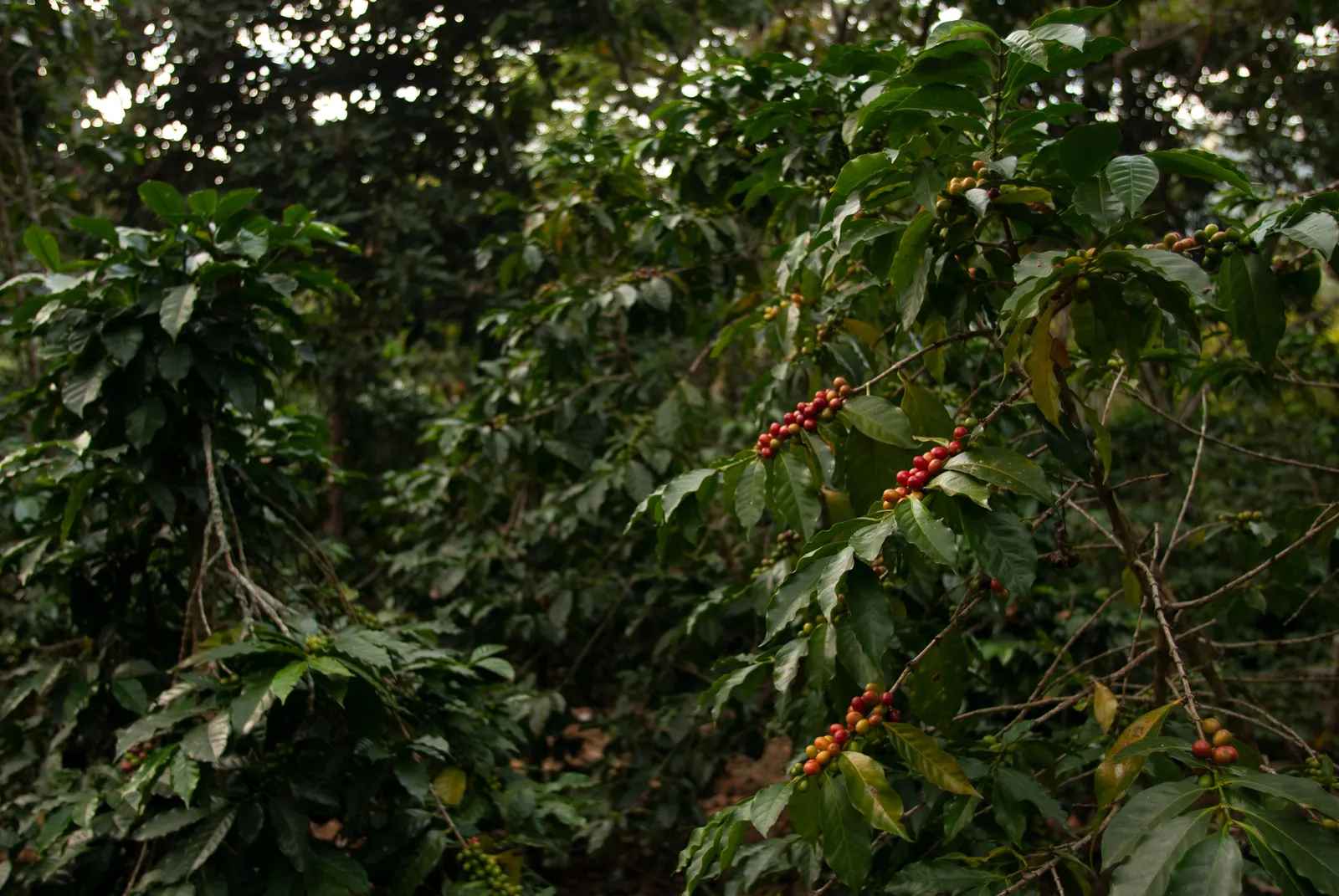
Coffee bushes growing under a shade canopy

The canopy over both

All Indian coffee is shade grown coffee: "India is the only country that grows all of its coffee under shade," says the Coffee Board of India, which counts nearly 50 kinds of shade tree on Indian coffee plantations, recycling nutrients, holding the soil and sheltering wildlife. The Central Coffee Research Institute adds that a lower tier of temporary dadap shade matters most in a drought, and warns: "Planting only silver oak trees does not ensure filtered shade."

The estate's year, in four seasons

March and April: the blossom showers.

Rain now sets the crop, with backing showers about two weeks later. If a shower comes late or fails, the estate irrigates by sprinkler.

June to September: the monsoon.

Most of the year's rain falls in these months. The estate sprays against leaf rust before the monsoon, in May and June, and after it, in September and October.

November to January: picking by hand.

Arabica is picked by hand as each cherry ripens, and only ripe cherries are picked. Robusta runs into February and early March.

December to March: pepper, then pruning.

Pepper spikes are picked and dried, and after the coffee harvest each bush gets a light pruning to keep its shape.

On our Sakleshpur estates the crops are Arabica coffee and black pepper, with silver oak among the shade trees. Owners hold the title. We handle planting, harvest and sale. The estate team at Sakleshpur does the field work, and Vibez Agro Tech Solutions markets the harvest; owners receive plantation updates and an annual yield statement.

Because each cherry is picked only when it is ripe, harvest is when an estate needs the most hands. Pests are part of the year too: the Coffee Board names the white stem borer a serious pest of Arabica.

The same canopy, water and slope that make a good estate are what you should check on any parcel.

Estate track between planted rows in the hills

Walk it first

Visit the estate of your choice with our on-site team. We share the brochure, the title flow and the maintenance agreement up front.

What should you check on any coffee parcel before you buy?

Any coffee parcel, including one from Vibez Estates, needs six checks before you buy, beyond the usual land papers: the shade canopy, the water in the dry months, the slope, the road in the monsoon, the labour lines, and a title that records the land as coffee. The legal checks go to your own advocate.

The canopy

Look for a mix of shade trees standing over the coffee in two layers, as the Coffee Board describes for Indian coffee, rather than a single species. A row of silver oak alone "does not ensure filtered shade" (Central Coffee Research Institute), so ask whether any shade trees were cut recently, and why.

The water

Visit in the dry months, January to March, and ask where the water comes from (a stream, a tank or a borewell) and who holds the right to use it. If the blossom showers of March and April fail, the estate has to irrigate.

The slope

On steep ground, coffee should follow the contour: the Central Coffee Research Institute advises contour planting on steep slopes to prevent soil erosion. Walk the plot after rain and look for soil washing away.

The road

Check that a vehicle has access to the plot through the monsoon. Check too that the right of way to the public road is written into the title.

The labour lines

Labour lines are the housing on a coffee estate for the people who work it. Ask how many hands the estate needs at harvest, what state the lines are in and whose payroll the workers are on; the legal duties that come with them are a question for your advocate.

The title

Coffee land is plantation land, its own category in Karnataka land law, following a Karnataka High Court order of 29 January 2021. The RTC (Pahani), the land's record of rights, should record it as coffee plantation, not government or forest land, and a plot cut from a larger survey number should show as its own sub-division, with its own sketch, on the survey record itself as well as in the sale deed. Your own advocate runs the title chain and encumbrance checks on the documents.

If you run these checks and then farm the land yourself, you are on one road; on an operated estate, you are on another.

How is coffee land bought through a broker different from an operated coffee estate?

Coffee land bought through a broker usually costs less per acre to buy, and then the farming, the labour, the water and the sale of the crop are yours. On an operated coffee estate you own a titled plot and the operator does that work; on a coffee-estate stay you own nothing.

Coffee land through a brokerA stay on a coffee estateA plot on an operated estate
What you get A whole estate or a parcel as it stands; the listings we read in October 2026 ran from 1 acre to 1,200 acres.Nights on an estate, with plantation walks and tastings, as at Ashvana, our stay in Sakleshpur.A plot from 6,500 sq ft with freehold title in your name, on an estate Vibez Estates runs.
Who farms it You, or a manager you hire.The host.Vibez Estates, under a separate maintenance agreement.
Who sells the crop You, into a market that sets the price.No crop is yours to sell.Vibez Agro Tech Solutions markets the harvest, and owners receive an annual yield statement.
What you check All six checks, and then you carry whatever you find.Nothing, because you own nothing.The same six checks, plus the maintenance agreement; we share the brochure, the title flow and the maintenance agreement up front.
What it costs you Usually cheaper per acre to buy; then the running costs and the work are yours.The price of the nights.The plot, plus a maintenance charge set per square foot per year and written into the agreement.
Who it suits A buyer who wants to farm it and can manage the labour, the water and the sale.A family deciding whether they like the hills.A buyer who wants the land and the trees without the daily farming.

Coffee land through a broker

What you get
A whole estate or a parcel as it stands; the listings we read in October 2026 ran from 1 acre to 1,200 acres.
Who farms it
You, or a manager you hire.
Who sells the crop
You, into a market that sets the price.
What you check
All six checks, and then you carry whatever you find.
What it costs you
Usually cheaper per acre to buy; then the running costs and the work are yours.
Who it suits
A buyer who wants to farm it and can manage the labour, the water and the sale.

A stay on a coffee estate

What you get
Nights on an estate, with plantation walks and tastings, as at Ashvana, our stay in Sakleshpur.
Who farms it
The host.
Who sells the crop
No crop is yours to sell.
What you check
Nothing, because you own nothing.
What it costs you
The price of the nights.
Who it suits
A family deciding whether they like the hills.

A plot on an operated estate

What you get
A plot from 6,500 sq ft with freehold title in your name, on an estate Vibez Estates runs.
Who farms it
Vibez Estates, under a separate maintenance agreement.
Who sells the crop
Vibez Agro Tech Solutions markets the harvest, and owners receive an annual yield statement.
What you check
The same six checks, plus the maintenance agreement; we share the brochure, the title flow and the maintenance agreement up front.
What it costs you
The plot, plus a maintenance charge set per square foot per year and written into the agreement.
Who it suits
A buyer who wants the land and the trees without the daily farming.

An operated estate is only as real as the ground you can stand on, which brings up where Vibez's estates are.

Where are Vibez's coffee estates?

Vibez Estates' coffee estates are, today, in Sakleshpur, Hassan district, about four hours from Bengaluru on NH 75; Chikmagalur is coming soon.

Vibez Coffee Estate, Sakleshpur, Hassan district

Sakleshpur, Hassan district

The completed 35-acre Vibez Coffee Estate, Vibez Kaira at Jannekere and Vibez Manor are here, with Ashvana to stay at. Sakleshpur is about four hours from Bengaluru on NH 75, in the Coffee Board's Manjarabad region at 900 to 1,100 metres.

See what is open in Sakleshpur →
Green hills under monsoon cloud, coffee country

Chikmagalur

Coming soon.

A list of what is open among our coffee estates in Sakleshpur is a start; the estate itself is what you should see, and there is more to read before you do.

Ashvana, the Vibez Estates stay in Sakleshpur, lit at dusk among the trees

Stay a night and look at the trees

If you want to see the estate at first light, stay a night at Ashvana, a Vibez Estates stay in Sakleshpur.

Stay a night at Ashvana

Coffee estates in Karnataka: your questions answered

Which place in Karnataka is famous for coffee?

Karnataka grows about 70 percent of India's coffee, and the places famous for coffee sit in its Western Ghats hill country. The Bababudangiri hills in Chikkamagaluru are where coffee was first grown in India, and Sakleshpur, in Hassan district, sits in the Manjarabad coffee region.

Is there a managed coffee estate in Sakleshpur?

Yes, there is more than one managed coffee estate in Sakleshpur: several operators sell managed coffee plots in the taluk. Vibez Estates has a completed 35-acre coffee estate here, the Vibez Coffee Estate, and two ongoing estates, Vibez Kaira and Vibez Manor.

Does Vibez Estates sell whole coffee estates?

No. Vibez Estates sells managed plots, from 6,500 sq ft, on coffee estates it runs, with the title registered in your name. A whole estate is sold through brokers and listings.

How much coffee can an acre produce, and is a coffee estate profitable?

How much coffee an acre produces depends on the variety, the age of the plants, the shade, the rain and the care, and it changes from year to year, so a single figure per acre misleads, for the crop and for whether an estate is profitable. Even the Coffee Board of India's national estimate for 2025-26 came in about 7 percent below its own forecast. Vibez Estates promises no yield and no return: its position is "Long-term stewardship with the potential for sustainable appreciation and hospitality-led income."

Can I buy agricultural land in Karnataka?

Yes. Since the 2020 amendment, an Indian citizen does not need to be a farmer to buy agricultural land in Karnataka. Some limits under section 80, and the protections for land granted to SC/ST families, still apply. Confirm your own position with your advocate.

Can an NRI buy a coffee estate in India?

No. An NRI, OCI or foreign national cannot buy, or receive as a gift, agricultural land, plantation property or a farm house in India. Such land can be inherited. This is the position under FEMA, the Foreign Exchange Management Act, 1999, and it covers a coffee estate in Karnataka like any other plantation property. Confirm your own status with your own counsel.

Can I visit a Vibez coffee estate before I decide?

Yes. You can visit the estate of your choice with our on-site team, and stay a night at Ashvana, a Vibez Estates stay in Sakleshpur.

Who stands behind these estates?

2009

Operating since

25+

Projects completed

1,000+

Customers, as at September 2026

The agronomy on this page comes from the Coffee Board of India and its Central Coffee Research Institute for coffee, and from the Ministry of Agriculture's spices directorate for pepper. The legal lines are reviewed by an advocate.

The last check is the one you make yourself, on the estate.

Ripe coffee cherries picked by hand

Walk the estate

A visit to the Vibez Coffee Estate in Sakleshpur lets you check the canopy, the water, the slope and the road with your own eyes, with the brochure, the title flow and the maintenance agreement in your hands before you decide. If you want to see the estate at first light, stay a night at Ashvana.

We share the brochure, the title flow and the maintenance agreement up front, and your own advocate checks them before anything is signed.

Stay a night and look at the trees