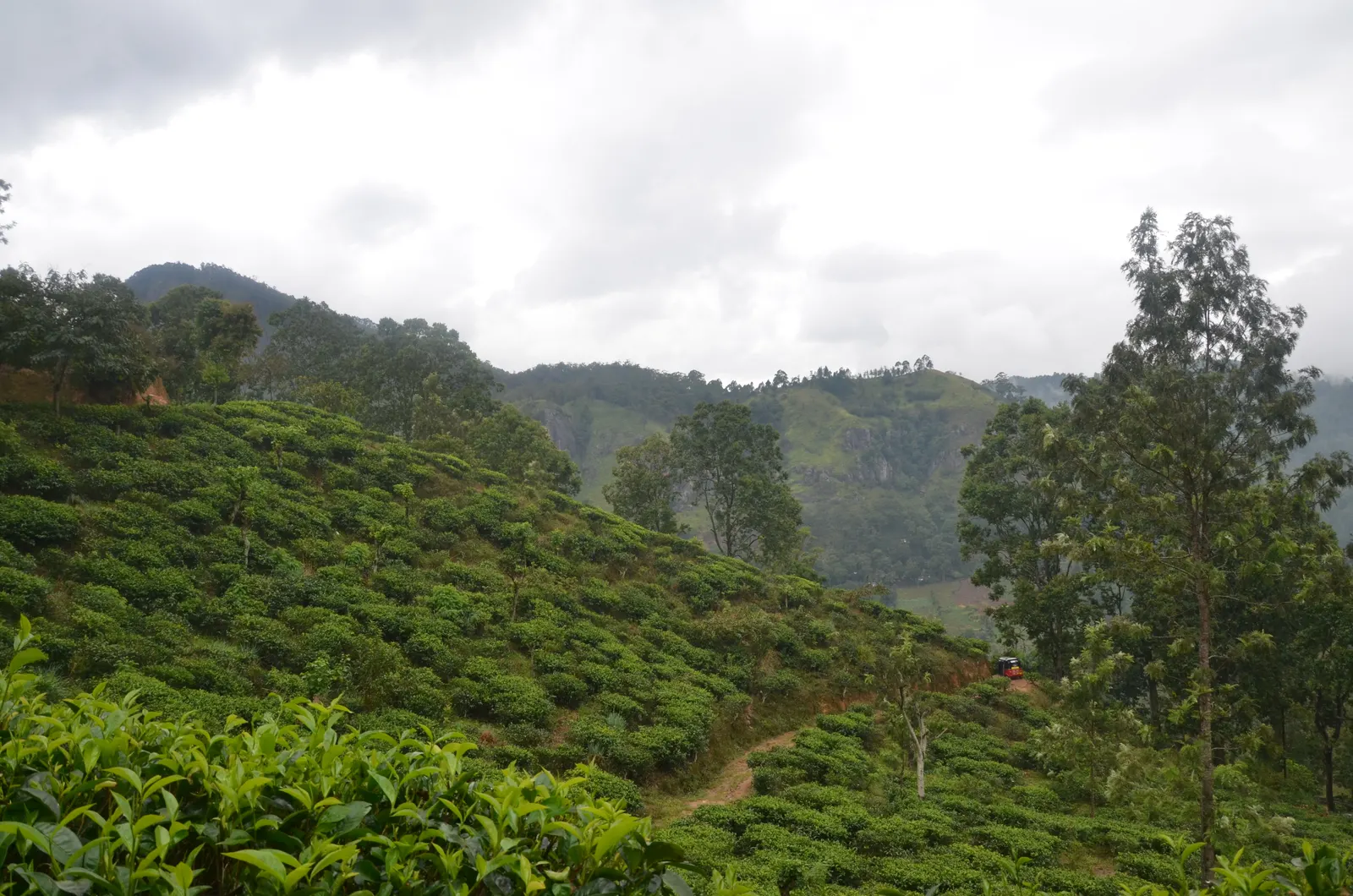
Planted hillsides under mist, managed farmland country
Operating since 2009. 25+ projects completed and 1,000+ customers, as at September 2026.

Managed Farmland

The risk in managed farmland sits less in the land than in the year after you buy, once you have paid and gone home. Vibez Estates sets out in writing what we are on the hook for after your registration, what the charge leaves out and what happens if we stop.

We share the brochure, the title flow and the maintenance agreement up front.

What is managed farmland, and what is a Vibez managed plot?

Managed farmland is agricultural land split into plots that buyers own in their own names, while an operator farms and maintains the land under a written agreement. At Vibez Estates, freehold title is registered in your name, and we handle planting, harvest and sale under a separate maintenance agreement. Plots start from 6,500 sq ft, at Sakleshpur and Chikkaballapur.

Your title

Freehold, registered directly in your name.

Our work

We handle planting, harvest and sale, and keep up the common estate, under a separate maintenance agreement.

Your part

Read the agreement before you pay, visit when you choose, and pay the yearly charge it sets.

You will also see it written as managed farm land. In Karnataka, ours sits in the Western Ghats at Sakleshpur and on the Nandi Hills plateau at Chikkaballapur. Whatever the spelling, the split between what you own and what we operate is worth seeing line by line.

What do you own, and what do we operate after your registration?

After your registration, you hold the freehold title to the plot and the land itself. You own the land; we run the estate and sell the harvest on your behalf.

How does managed farmland work after the sale? The table below shows which job sits where, and what the maintenance charge does not cover.

What it isYouVibez Estates
The plot's freehold titleRegistered directly in your nameNot ours at any point
The records that show it is yoursThe RTC (Pahani), the mutation entry and the survey sketch, with your plot shown separately on the survey recordAsk us which records you receive in your name, and when
Planting and care of the cropNot your workDone by us, under the maintenance agreement
Harvest and sale of the cropNot your workDone by us; the harvest is marketed through Vibez Agro Tech Solutions
News from your plotYou receive plantation updates and an annual yield statementSent by us; how often is not yet published
The common estatePaid for through the maintenance chargeKept up by us: plantations and common landscaping, internal roads and common access areas, sewage and drainage systems, common infrastructure, with routine estate supervision and labour and material coordination
Your own cottage, interiors, utilities, and services you ask forYours, governed separatelyNot covered by the maintenance charge
The decision to visit, hold or sellYours aloneNot ours to make

What proves the plot is yours

For land that stays agricultural, the title record is the RTC (Pahani), the mutation entry and the survey sketch. A khata is a municipal property-tax record. DC conversion changes what land may be used for, and it is not needed to own land that stays agricultural.

Each managed plot is carved out of a larger survey number. Ask to see your plot shown separately on the survey record, with its own sketch, not only in the sale deed.

Every row marked "done by us" is work spread across a year, and that year looks different for each crop.

What happens on a managed plot through the year?

A managed plot's year is set by its crop and its corridor. Arabica coffee and black pepper in the Western Ghats at Sakleshpur follow the monsoon and a November-to-January harvest; pomegranate and teak on the Nandi Hills plateau at Chikkaballapur follow their own cycles. On both, the common estate is kept up all year, whether or not you visit.

The operating year on a managed plot

All year, on every estate

Plantations and common landscaping. Internal roads and common access areas. Sewage and drainage systems. Common infrastructure. Routine estate supervision. Labour and material coordination for common maintenance. Periodic owner updates and issue escalation. This runs under the agreement whether or not you visit.

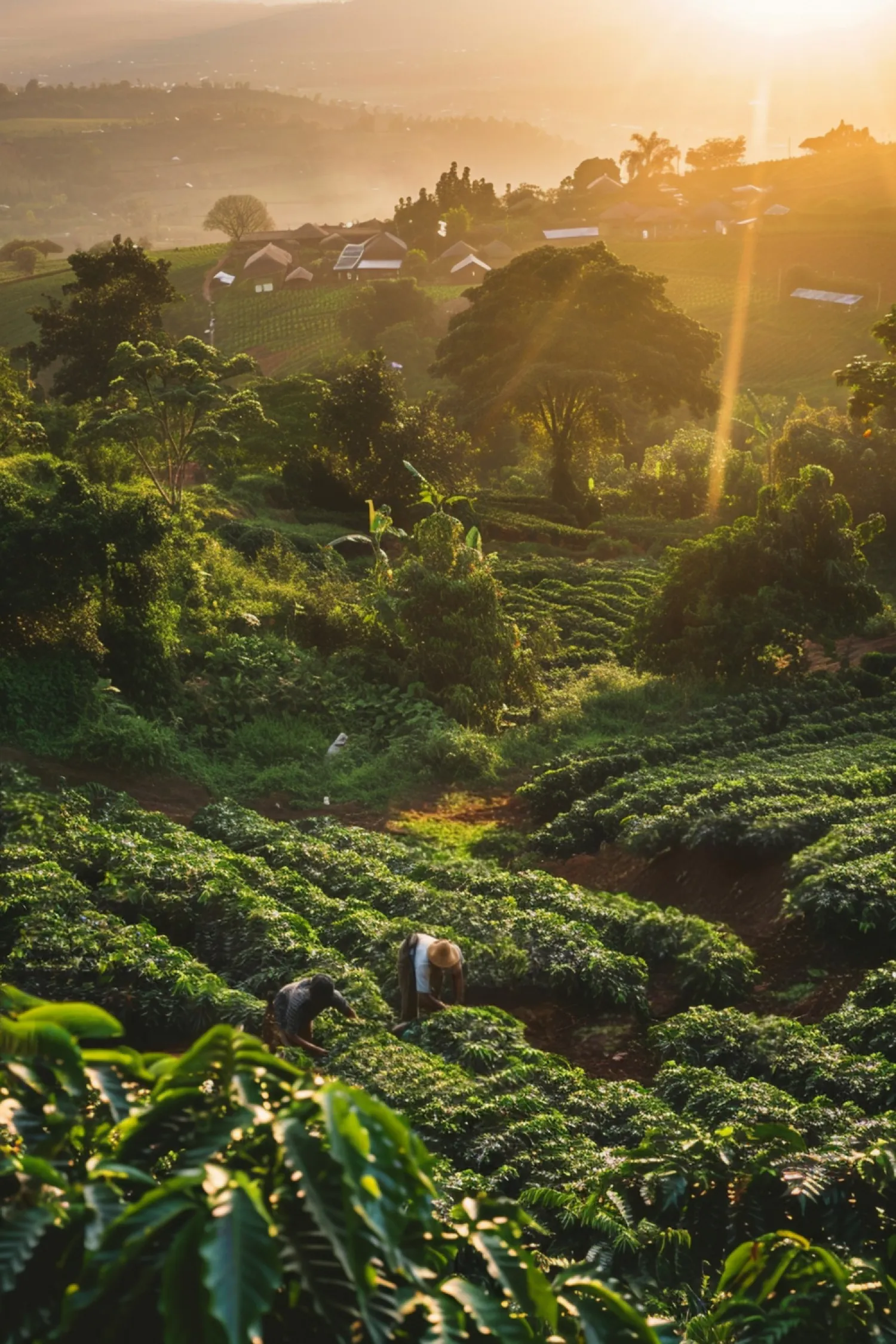
Vibez Coffee Estate, Sakleshpur, at sunrise
Sakleshpur

A Western Ghats coffee plot (Sakleshpur)

In March and April the blossom showers set the crop, with backing showers about two weeks later, and the estate irrigates by sprinkler if a shower fails. From June to September the monsoon brings most of the year's rain, with leaf-rust sprays before and after it. Arabica is picked by hand from November to January, as each cherry ripens. Pepper is picked and dried from December to March, and each coffee bush gets a light pruning once the harvest is in. Vibez Kaira and Vibez Coffee Estate grow Arabica coffee, with silver oak as shade. Season timings follow the Coffee Board of India's planter advisories.

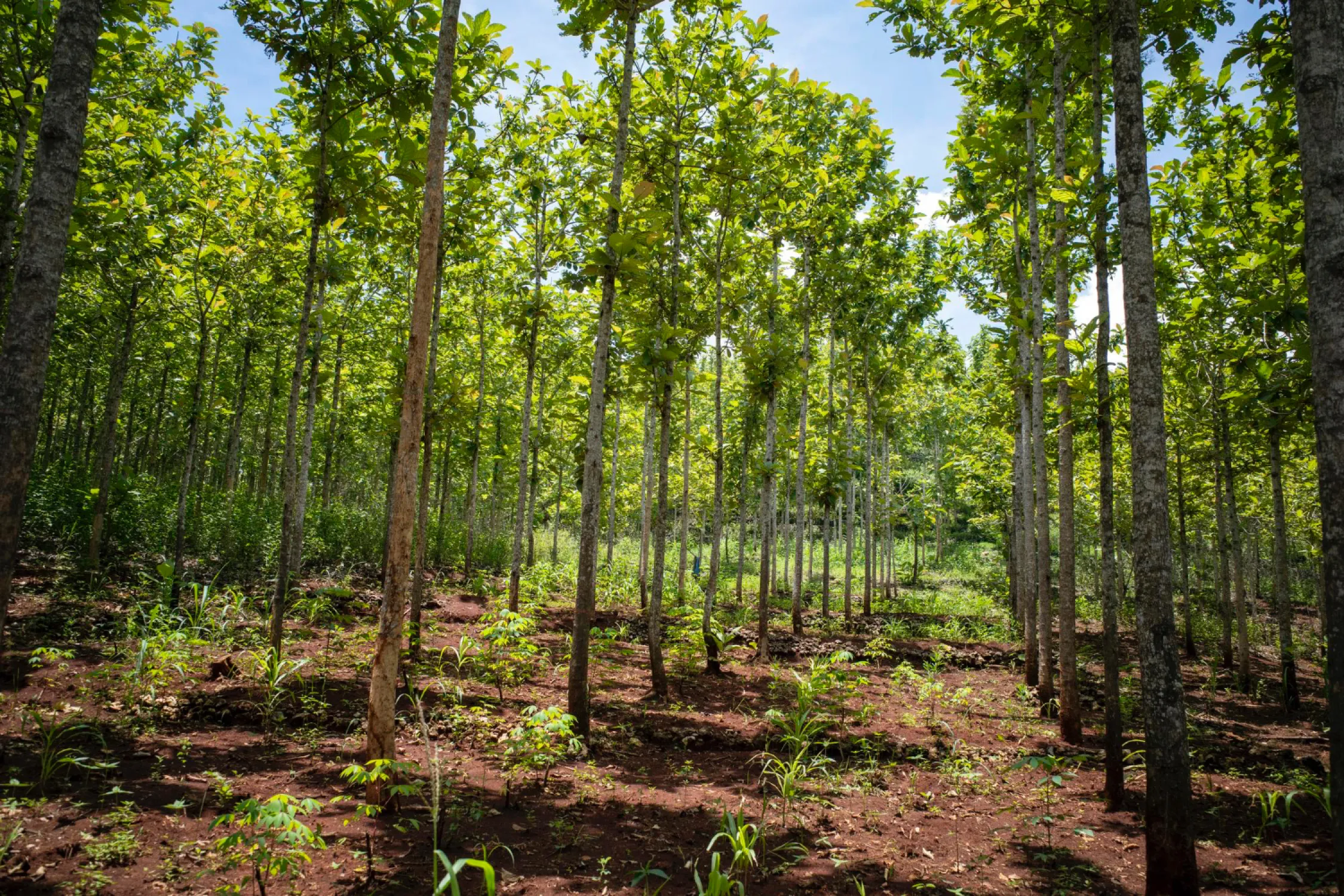
Teak rows at Vibez Sirivana, Chikkaballapur
Chikkaballapur

A plateau plot (Chikkaballapur)

Pomegranate is held to one flowering season a year, as the ICAR-National Research Centre on Pomegranate advises, and the harvest comes roughly 181 to 230 days after leaf fall. Teak is timber on a long cycle; published plantation practice puts the first thinning at five to seven years. Vibez Sirivana grows pomegranate and teak.

On both corridors, the harvest is marketed through Vibez Agro Tech Solutions.

Season by season and month by month, this year of work is what the maintenance charge pays for.

Winding road through forested hills, like the ghat drive to Sakleshpur

Check the crop rows as they are worked today

We share the brochure, the title flow and the maintenance agreement up front.

What does management cost, and what does the fee buy?

The Vibez Estates maintenance charge is set per square foot of plot area per year, under a maintenance agreement that lists what the charge covers and what it leaves out. The rate is set in your agreement, and we print the full scope here, before you ask. Commercial terms are project-specific and set out in the agreement.

The charge coversIt leaves to you
Plantations and common landscapingCottage-specific repairs
Internal roads and common access areasInteriors
Sewage and drainage systemsUtilities
Common infrastructureHospitality-operation expenses
Routine estate supervisionOwner-requested services
Labour and material coordination for common maintenance
Periodic owner updates and issue escalation

Everything in the right-hand column is governed separately and communicated transparently.

What the charge pays for is the work you would otherwise hire and supervise yourself: the plantation, the roads, the drains, the supervision and the labour.

How the charge can change. Scope, commencement date, billing frequency and escalation mechanism (how the charge can be revised) are stated in the customer agreement. Any revision is supported by actual operating costs and communicated to owners in advance.

Other costs to ask about

If your next question is about hidden costs, these are the three to raise in writing.

Stamp duty and registration charges are set by the state and paid at registration. Ask for them in writing for your plot.

Plan for your own advocate, an independent one, to read the title and the agreement before you sign.

For anything billed separately, ask how each item the charge leaves to you is billed. What happens if a payment is missed is not yet published.

A yearly charge is only worth paying if the work outlasts any one operator, including us.

What happens if we stop operating, or you want out?

Your Vibez plot stays yours if Vibez Estates stops operating, because the freehold title is registered in your name, not in ours. Who would run the farming, the roads, the drains and the water after us is not yet published, and it is a fair question to press us on.

The title and the operation sit in two separate documents: the sale deed in your name, and a separate maintenance agreement that governs operations. How long that agreement runs, and whether you can leave it, is not yet published either.

If we stop operating

Your plot stays yours, because the title is in your name. Who runs the farming, the maintenance and the shared roads and water after us is not yet published, so ask the questions below.

If you want to sell

Your freehold title lets you sell or transfer the plot as you would any titled land, to a buyer eligible to hold agricultural land; under FEMA, an NRI, OCI or foreign national cannot buy it. Farmland sells more slowly than a flat in the city, so plan to hold it. Our resale and transfer policy is not yet published.

If you want to end the maintenance agreement

Whether you can end the agreement, and on what terms, is not yet published. Ask for it in writing before you pay.

If the plot passes to your family

Freehold land passes by succession, and such land can be inherited even by an NRI. Whether the maintenance agreement carries on with an heir is not yet published.

In writing todayNot yet published
Freehold title in your name, registered directlyHow long the agreement runs, and whether you can leave it
What the charge covers, and what it leaves outWho runs the estate if we stop
The scope, start date, billing frequency and how the charge can change, stated in your agreementOur resale and transfer policy
Any revision backed by actual operating costs and told to you in advanceHow often updates arrive and how fast an issue is answered: we have committed to a written service charter, and it is not finished
Periodic owner updates and issue escalation, inside the written scopeWhat happens if an owner stops paying
Planting, harvest and sale, handled by us

Ask us before you pay

How long does the agreement run, and can you leave it?

Is there an owners' association that could take over the estate?

Is a third-party manager named, in writing, as a fallback?

Are the common roads, drains and water systems owned by the plot holders together, or by the company?

What are the resale and transfer terms, and what happens if a payment is missed?

We have been operating since 2009. Seventeen years of operating makes an abrupt stop less likely. It does not replace a written plan.

An operator bound in writing is also one of seven checks you can run on any seller.

What makes managed farmland 'premium', and how do you check it?

Premium managed farmland is land that passes seven checks a buyer can verify: a clean, provable title; a land use that matches your plan; water that lasts the driest month; legal, all-weather access; soil that suits the crop; an operator bound by a written agreement; and a community whose shared land is governed in writing. A return figure is not one of the markers.

The same seven checks answer the question of which farmland is best managed. Each one is below, with what to ask for, and where Vibez Estates stands on the two that concern the operator.

1 / 7

Title

The seller's name on the current RTC, an unbroken mutation history, a long EC (Encumbrance Certificate) with no unexplained charge, a survey sketch that matches the ground, no PTCL history, no sale resting only on a power of attorney, and your plot registered in your name.

Ask for: the RTC, the mutation history, a long EC and the survey sketch, before your first visit. Your advocate checks them.

2 / 7

Land use

The land's legal use matches what you plan to do, with no buffer, eco-zone or registration question left open.

Ask for: a written answer on what is permitted on this survey number, and whether any buffer, eco-sensitive or RERA question applies. Your advocate checks it.

3 / 7

Water

A named source, measured in the dry season, with someone responsible in writing for keeping it running.

Ask for: the source record with dry-season test dates, then visit between February and May.

4 / 7

Access

Legal right of way, an approach road a car can use in the monsoon, and a drive time you will actually make.

Ask for: whose land the last stretch crosses. Then make the drive on a weekend, and again in the rains.

5 / 7

Soil

Soil, slope and climate that suit the crop planned, shown by a dated soil test and the land's behaviour after rain.

Ask for: a dated soil test, and why this crop suits this land. Walk it after rain.

6 / 7

Operation

An operator with estates you can visit that it still runs, and an agreement that sets out the work, fee scope and exclusions, changes, reporting, remedy, term and harvest accounting.

Ask for: the full agreement before any deposit, and a visit to a completed estate.

Where we stand: the work, the fee scope, the exclusions and how the charge changes in our maintenance agreement are printed above. The term and the remedy are not yet published.

7 / 7

Community

Who else owns on the estate, and how shared land and costs are governed, including continuity if the operator stops.

Ask for: the shared-cost rules and the continuity answer in writing, and talk to owners you meet.

Where we stand: our continuity answer is not yet published.

A seller who answers all seven in writing has earned the word 'premium'. A seller who answers with adjectives has not.

Access, the fourth check, looks different in each of our two corridors.

Tree rows on a worked farm seen from above

Ask for the full agreement before any deposit

We share the brochure, the title flow and the maintenance agreement up front, and your own advocate checks them before anything is signed.

Where are our managed farmland estates, and how far are they from Bengaluru?

Vibez Estates' managed farmland is in two corridors: Sakleshpur in the Western Ghats, about four hours from Bengaluru on NH 75, where managed plots are open at Vibez Kaira; and Chikkaballapur on the Nandi Hills plateau, around 60 km from Bengaluru city, where our completed estates are.

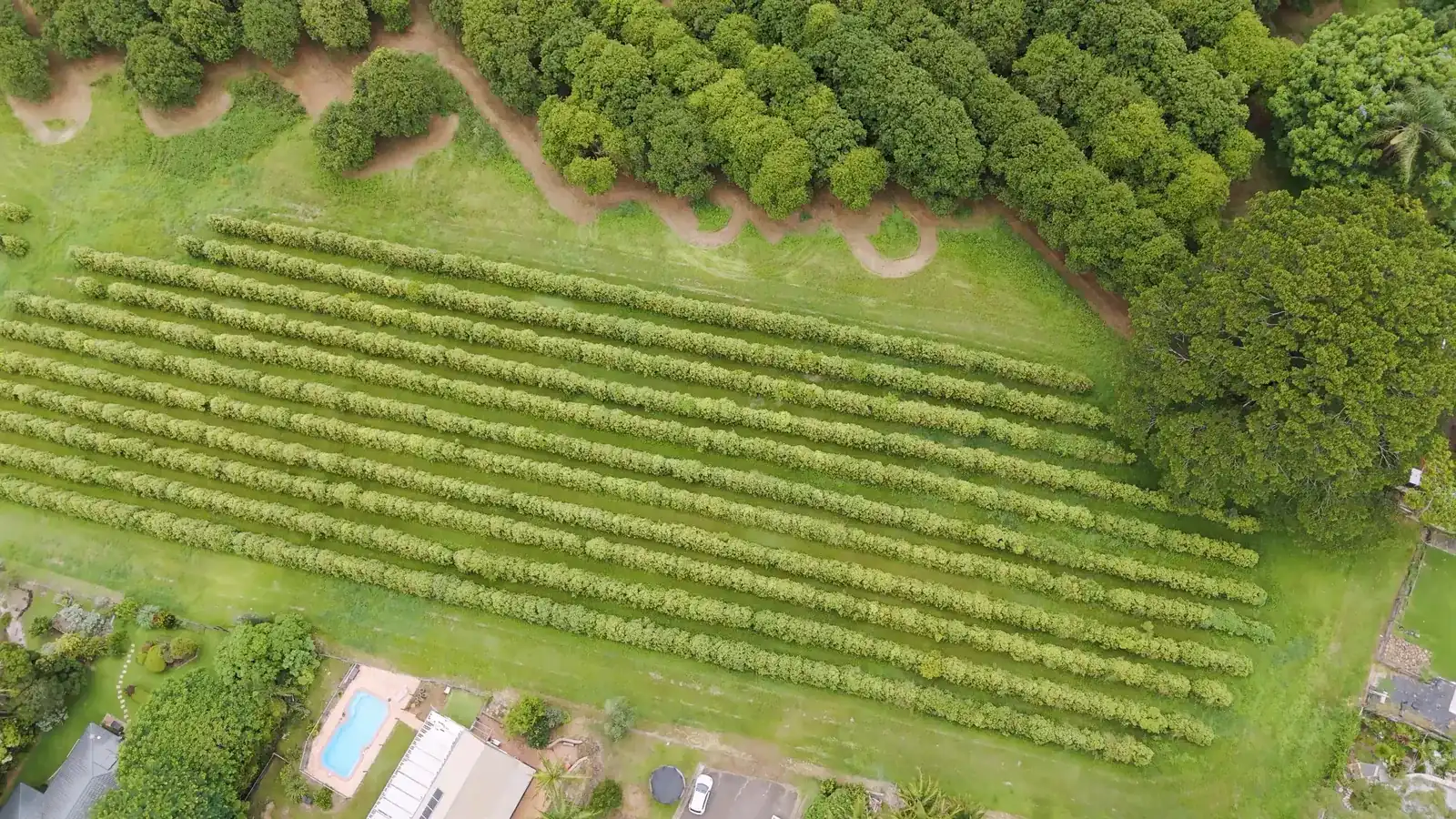
Vibez Kaira coffee estate at Jannekere, Sakleshpur, seen from above
Western Ghats

Sakleshpur, Hassan district

Vibez Kaira at Jannekere is a 40-acre Arabica coffee estate. The first managed plots are open for sale, from 6,500 sq ft. Vibez Coffee Estate, 35 acres, is completed. Sakleshpur is about four hours from Bengaluru on NH 75 via Hassan, in the Coffee Board of India's Manjarabad region at 900 to 1,100 metres.

See managed farmland in Sakleshpur
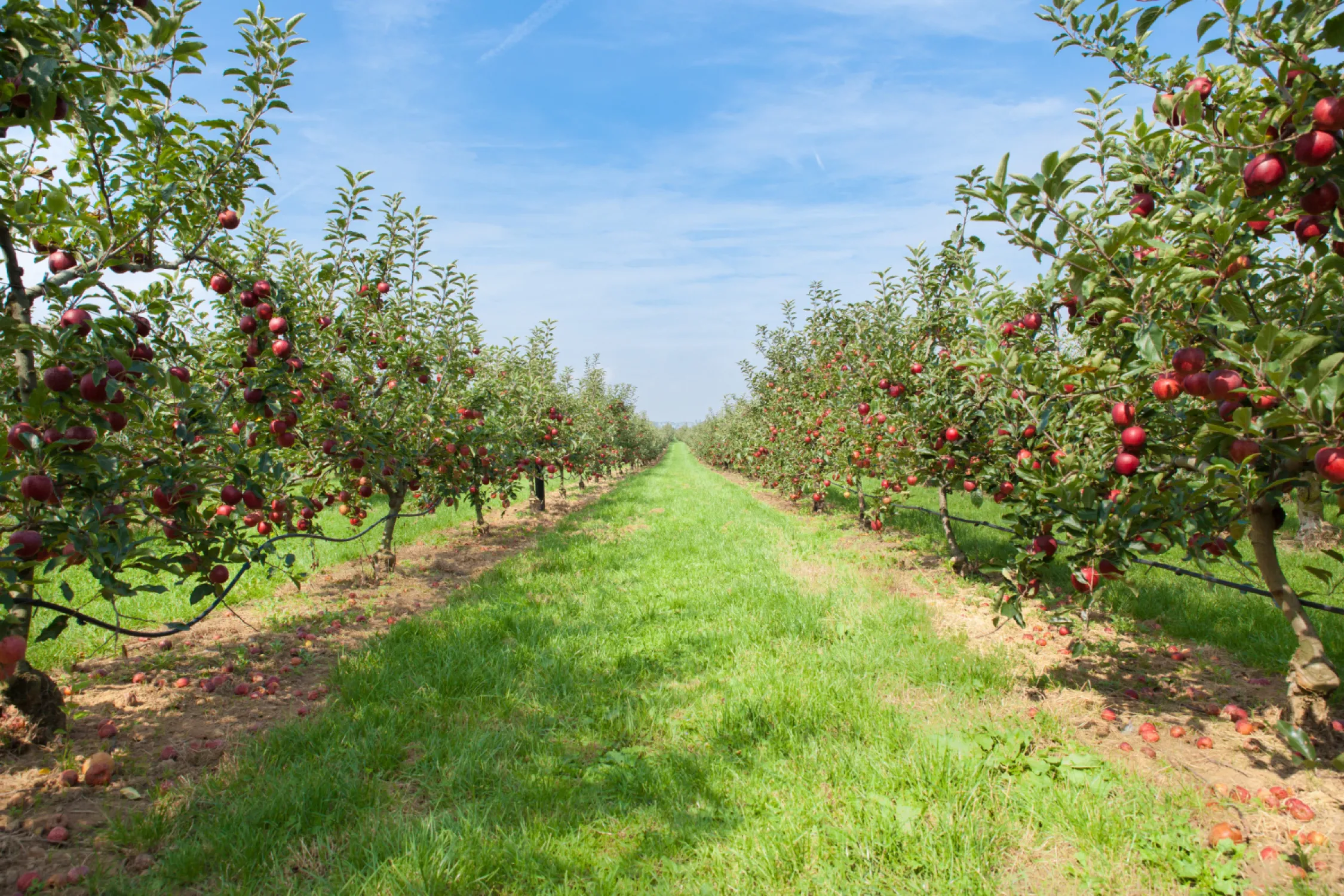
Orchard rows at Mythri Farms, Chikkaballapur
Nandi Hills plateau

Chikkaballapur, Nandi Hills plateau

Vibez Sirivana (25 acres, pomegranate and teak) and Mythri Farms (15 acres) are completed estates. Chikkaballapur is around 60 km from Bengaluru city. Ask us what is open here now.

Ask to visit a completed estate

There is more to read on each corridor, and on each question above, before you visit.

Managed farmland: your questions answered

What is managed farmland?

Managed farmland is agricultural land split into plots that buyers own in their own names, while an operator farms and maintains the land under a written agreement. At Vibez Estates the title is freehold and registered in your name, and we handle planting, harvest and sale.

Who farms the land if I never visit?

We do. Our team handles planting, harvest and sale and keeps up the common estate under the maintenance agreement, whether or not you visit, and Vibez Agro Tech Solutions markets the harvest. You receive plantation updates and an annual yield statement; how often updates arrive is not yet published.

Which farmland in Karnataka is best managed?

No list can answer that for you; the seven checks above can. Look for an operator that answers all seven in writing and still runs estates you can visit, and ask any operator, us included, for the maintenance agreement before you pay.

Is managed farmland a good investment?

Vibez Estates publishes no return, yield or appreciation figure for its plots and promises none; any return figure you are shown is a projection, not an assurance. Judge a plot on its title, its water, its operator and its full yearly cost, and have your CA check the numbers.

Can anyone buy agricultural land in Karnataka?

Since the 2020 amendment, an Indian citizen does not need to be a farmer to buy agricultural land in Karnataka. Some limits under section 80, and the protections for land granted to SC/ST families, still apply. The amendment is the Karnataka Land Reforms (Amendment) Act, 2020. Confirm your own position with your advocate.

Can an NRI buy managed farmland?

No. An NRI, OCI or foreign national cannot buy, or receive as a gift, agricultural land, plantation property or a farm house in India. Such land can be inherited. This is the position under FEMA, the Foreign Exchange Management Act, 1999. Confirm your own status with your own counsel.

Can I sell my plot later?

Yes, you can sell later. Your freehold title is registered in your name, so you can sell or transfer the plot as you would any titled land, to a buyer who is eligible to hold agricultural land. Farmland sells more slowly than a flat in the city, so plan to hold it. Our resale and transfer policy is not yet published; ask for it in writing before you buy.

What happens if I stop paying the maintenance charge?

What happens if an owner stops paying is not yet published. Ask us for it in writing before you commit, together with the agreement's term.

Who stands behind these estates is set out below.

Who stands behind these estates?

Vibez Estates has been operating since 2009, with 25+ projects completed and 1,000+ customers, as at September 2026. Completed estates include Vibez Sirivana in Chikkaballapur (25 acres), Vibez Coffee Estate in Sakleshpur (35 acres) and Mythri Farms (15 acres).

Since 2009

operating

25+

projects completed, as at September 2026

1,000+

customers, as at September 2026

Freehold

title in your name

We share the brochure, the title flow and the maintenance agreement up front, and your own advocate checks them before anything is signed.

The last check is the one you make yourself, on a plot we already operate.

Harvested coffee cherries sorted by hand before drying

See a plot we already operate

A visit with our on-site team lets you check the crop rows as they are worked today, the roads and drains the charge pays for, and the maintenance agreement in your hands before you decide. Visit the estate of your choice with our on-site team.

We share the brochure, the title flow and the maintenance agreement up front, and your own advocate checks them before anything is signed.